A New Chapter in Obesity Care for Children and Adolescents
Childhood obesity care requires more than dietary advice or a recommendation to exercise. Effective support should consider nutrition, physical activity, sleep, emotional well-being and each family’s circumstances.
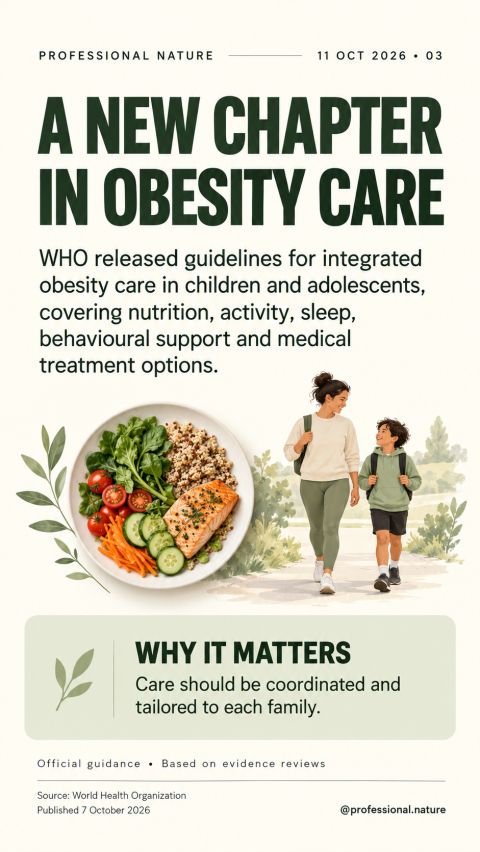
According to a World Health Organization (WHO) guidance update reported in October 2026, integrated approaches are important for supporting children and adolescents living with obesity.
The guidance emphasizes coordinated, evidence-informed care rather than relying on a single intervention.
Why Does Childhood Obesity Care Need a Broader Approach?
Obesity is a complex, chronic condition influenced by biological, environmental, social and behavioral factors.
Children and adolescents have additional needs because their bodies are still growing and developing.
Their nutritional requirements, emotional development and family environments must be considered when planning appropriate care.
A narrow focus on body weight alone may overlook important aspects of physical and psychological health.
Nutrition as Part of Integrated Care
Balanced nutrition supports normal growth, development and overall well-being.
Children need adequate energy, protein, healthy fats, carbohydrates, vitamins and minerals.
Vegetables, fruits, whole grains and other nutrient-rich foods can contribute to a healthy dietary pattern.
However, nutritional interventions should be appropriate for each child’s age, growth stage and medical needs.
Restrictive diets or aggressive weight-loss strategies should not be introduced without qualified clinical supervision.
The Importance of Physical Activity
Regular movement supports cardiovascular fitness, muscular development and emotional well-being.
Physical activity should be enjoyable, age-appropriate and accessible.
Walking, cycling, swimming, sports and active play may all contribute to healthier routines.
The goal is to encourage sustainable activity rather than use exercise as punishment or focus exclusively on calorie expenditure.
Sleep and Behavioral Support
Sleep is another important part of children’s health.
Irregular sleep schedules and insufficient rest may affect daily functioning, appetite regulation and overall well-being.
Behavioral support can help families establish practical routines around meals, movement and sleep.
Supportive communication is essential. Children should not experience blame, shame or stigma because of their weight.
Why Does Family-Centered Care Matter?
Parents and caregivers influence food availability, daily routines and access to healthcare.
A family-centered approach considers household circumstances, cultural preferences and practical challenges.
Healthcare professionals can work with families to establish realistic goals and identify suitable support services.
This approach recognizes that long-term changes are often easier when the child’s environment supports them.
When Is Medical Treatment Considered?
Some children and adolescents may require specialized medical assessment and treatment.
Depending on age, clinical circumstances and applicable guidance, care may include multidisciplinary support and selected medical treatment options.
These decisions require qualified healthcare professionals.
Medication or other medical interventions should never replace appropriate nutritional, developmental and psychological assessment.
What Does the WHO Guidance Mean?
The guidance reflects a broader approach to obesity management based on reviews of available evidence.
It is not a new clinical trial demonstrating that one specific diet or treatment works for every child.
Individual recommendations should depend on clinical assessment, age, developmental needs and local healthcare guidance.
Takeaway
Childhood obesity care should be coordinated, individualized and supportive.
Nutrition, physical activity, sleep, behavioral guidance and appropriate medical care can all play important roles.
The central message is that children and adolescents need comprehensive healthcare that supports healthy growth and long-term well-being, without stigma or unnecessary restriction.
Source: World Health Organization (WHO), guidance reported 7 October 2026.